Introduction
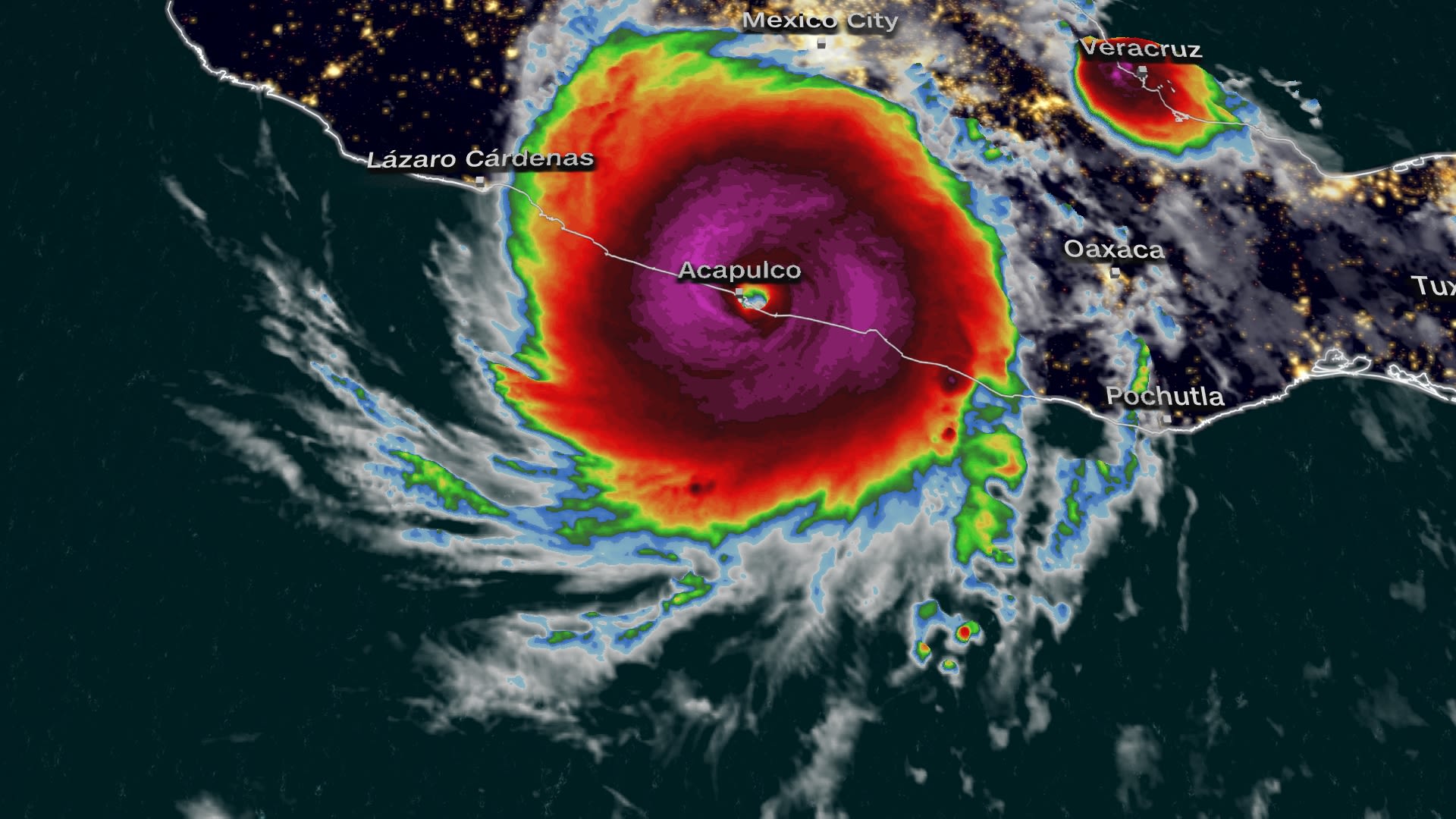
Hurricane Otis was a rapidly intensifying tropical cyclone that struck Acapulco, Mexico, on October 25, 2023, as a Category 5 hurricane. Within less than 24 hours, Otis strengthened from a tropical storm into one of the strongest landfalling Pacific hurricanes on record, leaving little time for preparation or evacuation.
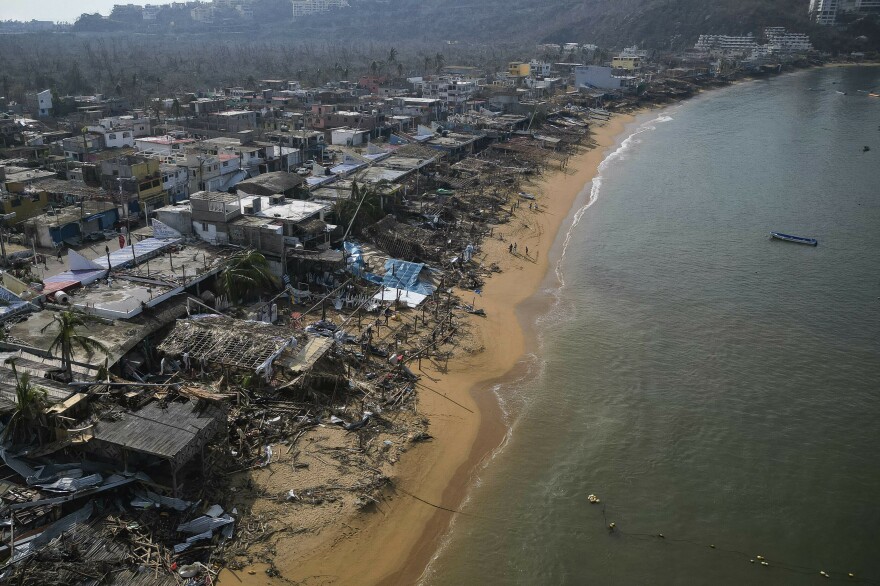
The storm caused widespread destruction across Acapulco, severely damaging homes, hotels, and critical infrastructure. Power, communication networks, and transportation systems were disrupted, and large portions of the city were left without essential services in the immediate aftermath.
Timeline of Events
-
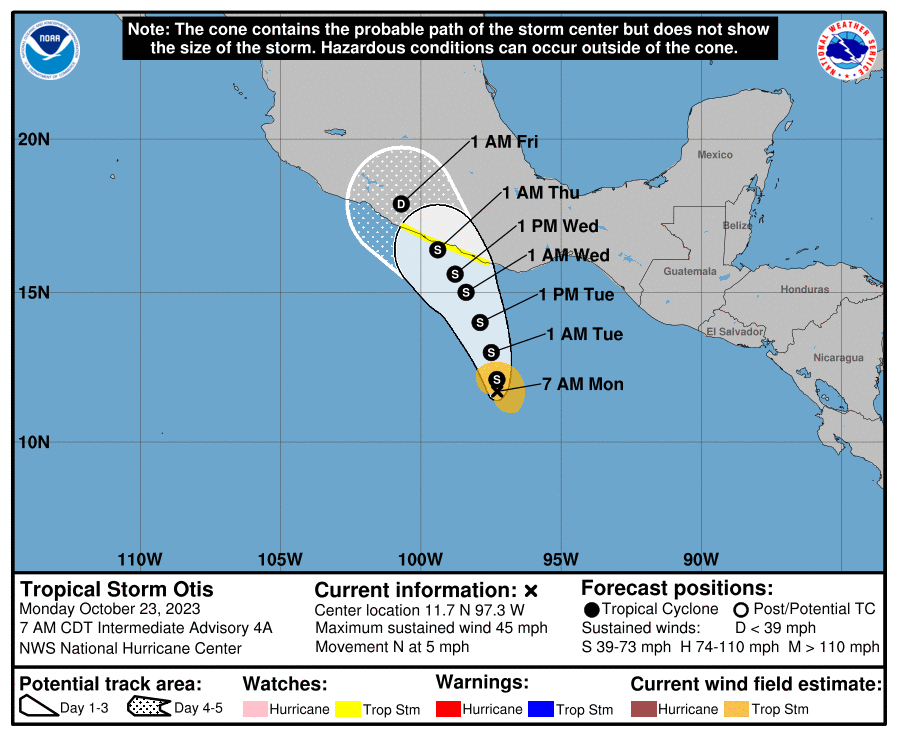
Tropical Storm Formation
A tropical disturbance south of Mexico organized into Tropical Storm Otis over the eastern Pacific Ocean. Forecasts initially projected a relatively weak storm that would remain offshore or make landfall at low intensity.
-
Rapid Intensification Begins
Otis began to strengthen more quickly than expected as it moved toward the coast. Warm ocean waters and favorable atmospheric conditions allowed the storm to intensify at an unusually fast rate.
-
Hurricane Status
Otis reached hurricane strength, but official forecasts still anticipated only moderate intensification before landfall, leaving limited urgency for large-scale evacuations.
-
Explosive Intensification
Within roughly 12 to 24 hours, Otis rapidly intensified from a Category 1 hurricane into a Category 5 storm. Wind speeds increased dramatically, making it one of the fastest intensifying hurricanes ever recorded in the eastern Pacific.
-
Landfall in Acapulco
Hurricane Otis made landfall near Acapulco, Mexico, as a Category 5 hurricane with sustained winds estimated at approximately 165 mph (270 km/h). The storm struck during the night, compounding the danger to residents.
-
Immediate Aftermath
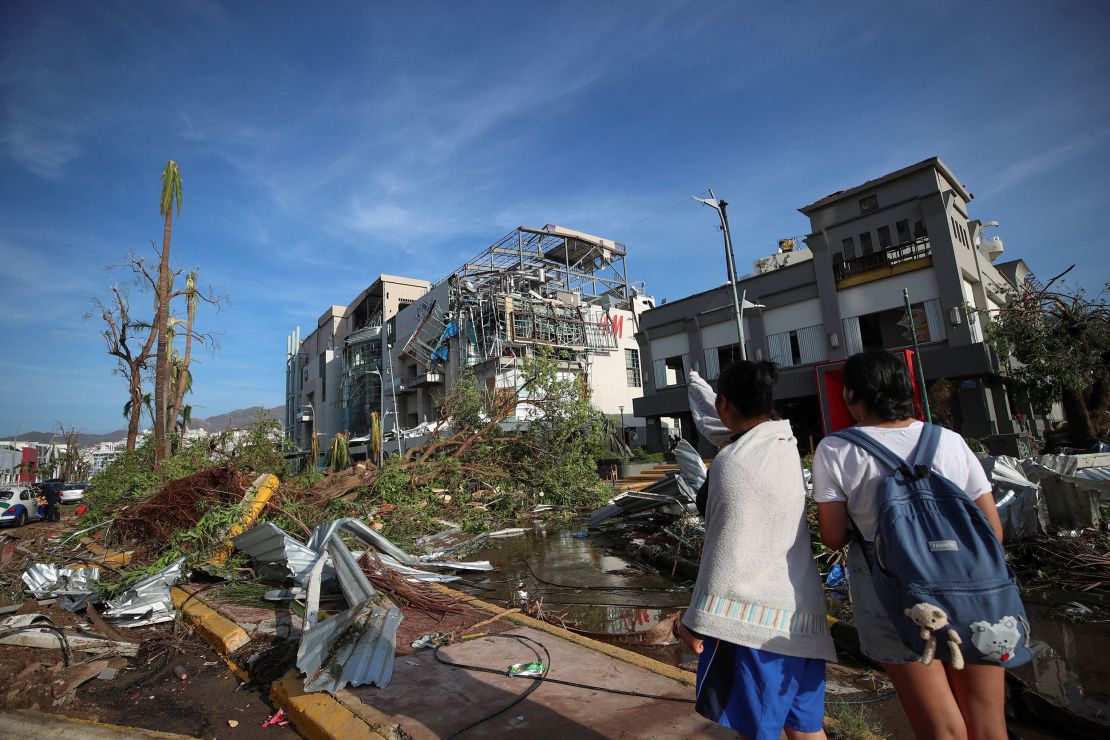
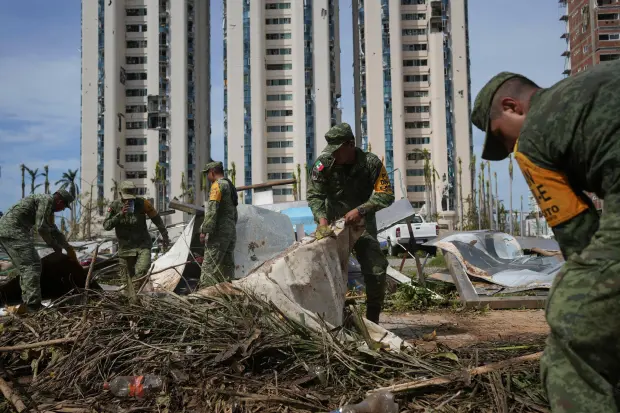
Widespread destruction occurred across Acapulco. Buildings were heavily damaged, windows were shattered across high-rise hotels, and power and communication systems failed, isolating the city.
-
Emergency Response and Isolation
Roads were blocked by debris and flooding, delaying emergency response efforts. Many residents were stranded without electricity, clean water, or access to communication networks.
-
National and International Aid
Mexican authorities deployed military and emergency personnel to assist with rescue operations and distribute aid. Efforts focused on restoring infrastructure and providing food, water, and medical care.
Impact and Aftermath
Hurricane Otis caused catastrophic damage in Acapulco, with large portions of the city’s infrastructure destroyed or severely damaged. High-rise hotels along the coastline suffered extensive structural and window damage, while residential areas experienced flooding, debris impact, and widespread loss of property.
The storm disrupted electricity, telecommunications, and transportation networks, leaving many residents without power, clean water, or access to emergency services in the immediate aftermath. Roads were blocked and the airport was temporarily closed, complicating relief efforts.
In the days following landfall, Mexican authorities and military units carried out rescue operations and began distributing food, water, and medical aid. Recovery efforts have focused on restoring infrastructure and rebuilding damaged communities, though the economic impact - particularly on tourism - has been significant.
Image Gallery